Custom Hinged Security Doors vs Standard Options: What’s the Difference?
Choosing a security door is not something most homeowners do often, which makes it easy to underestimate how much difference the right choice can make. At first glance, many doors may look similar, but the gap between custom and standard options becomes clear once you consider performance, comfort, and long-term value. For anyone exploring Hinged Security Doors, understanding these differences helps ensure the door you choose actually suits your home and lifestyle.
Both options can provide security, but how they deliver that security, and how they feel to live with, can vary significantly.
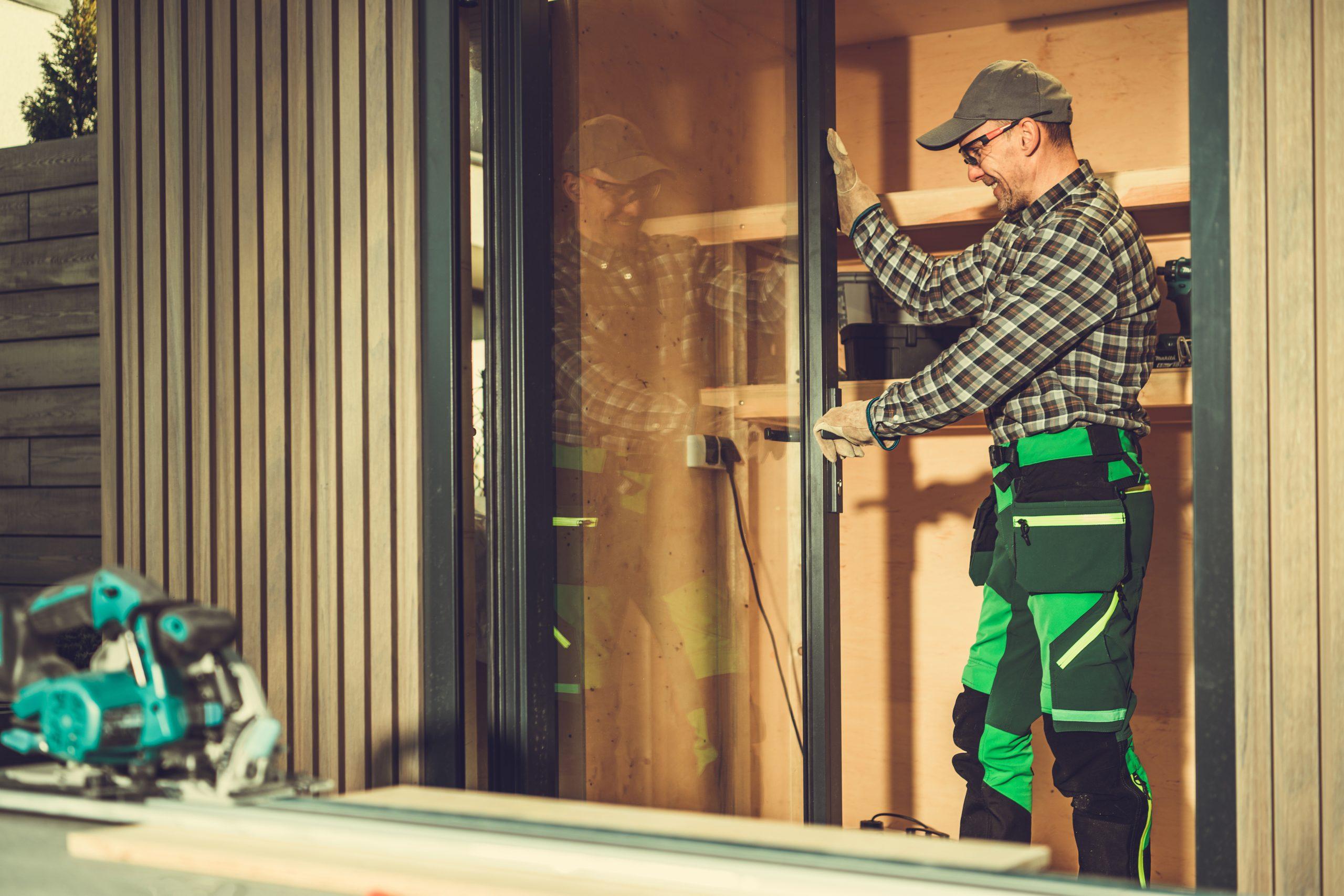
What Defines a Standard Hinged Security Door?
Standard hinged security doors are typically manufactured in set sizes and designs. They are made to fit the most common door openings and are often chosen for their availability and straightforward installation.
For many homes, a standard door can meet basic needs. It provides a level of protection, improves airflow, and adds an extra barrier at the entry. However, because it is designed to suit a wide range of properties, it may not always fit perfectly or align with the style of the home.
This one-size-fits-most approach can sometimes lead to compromises in appearance, sealing, or ease of use.
What Makes a Custom Hinged Security Door Different?
A custom hinged security door is designed specifically for your home. Measurements are taken to suit the exact opening, and details such as frame style, mesh type, colour, and hardware are selected to match your preferences.
This tailored approach allows the door to integrate seamlessly with your existing architecture. Instead of adjusting your expectations to suit the door, the door is built to suit you. The result is often a more refined finish, smoother operation, and better overall performance.
Quality and Fit: Where the Difference Is Most Noticeable
One of the biggest differences between custom and standard options is fit. A precise fit improves both security and comfort. Gaps are reduced, alignment is improved, and the door feels solid when opened and closed.
Custom doors often use higher-grade materials and components selected for durability and strength. This attention to quality shows over time, especially in hinges, locks, and frames that experience daily use.
A well-fitted door also reduces rattling, drafts, and unnecessary wear, which supports a better experience from day one.
Comfort and Ease of Use
Security doors should feel easy to live with. Standard doors can sometimes feel heavy or awkward if they are not well matched to the opening or usage pattern of the home.
Custom doors are designed with daily movement in mind. Handle placement, hinge strength, and door balance all contribute to smoother operation. This makes opening and closing the door feel natural rather than forced.
In the middle of comparing Hinged Security Doors, homeowners often realise that comfort is not a luxury. It is a practical consideration that affects how often the door is used and how much value it delivers.
Customer Experience and Personal Choice
The process of choosing a custom door often includes guidance and collaboration. Homeowners are involved in decisions about appearance, security features, and finishes. This creates a more positive customer experience and greater confidence in the final result.
Standard options are typically selected quickly, which suits some situations. However, they offer limited flexibility and less opportunity to personalise the outcome.
As customer expectations change, more people are looking for products that reflect their needs rather than settling for what is available off the shelf.
Versatility Across Different Homes
Every home is different, even within the same street. Custom doors adapt easily to heritage homes, modern builds, and renovations where openings may not be perfectly square or standard.
This versatility allows security doors to complement a wide range of architectural styles without standing out for the wrong reasons. Standard doors may struggle in these situations, often requiring compromises that affect appearance or performance.
Long-Term Value and Investment
While custom doors can involve a higher upfront cost, they often provide better long-term value. Improved durability, reduced maintenance issues, and better performance over time all contribute to this.
A door that fits well and operates smoothly is less likely to need adjustments or replacement. It also adds to the perceived quality of the home, which can matter when it comes time to sell or renovate further.
Sustainability and Thoughtful Decision-Making
Sustainability is increasingly part of the decision-making process for homeowners. Custom doors support this by reducing waste through precise manufacturing and longer product lifespans.
Choosing a door designed to last means fewer replacements and less material consumption over time. Thoughtful choices around materials and finishes also allow homeowners to balance performance with environmental considerations.
Conclusion
The difference between custom and standard options comes down to fit, flexibility, and how well the door supports everyday living. While both can provide protection, custom solutions often deliver greater comfort, durability, and satisfaction. For homeowners considering Hinged Security Doors, taking the time to understand these differences leads to better outcomes and fewer compromises.
At International Windows, we help customers choose security doors that are designed for their homes, not adapted after the fact. A well-made, well-fitted door offers peace of mind and lasting value that is felt every day.


Comments
Post a Comment